
June 10, 2026
What Can You Do with a Cosmetology License in New Mexico?
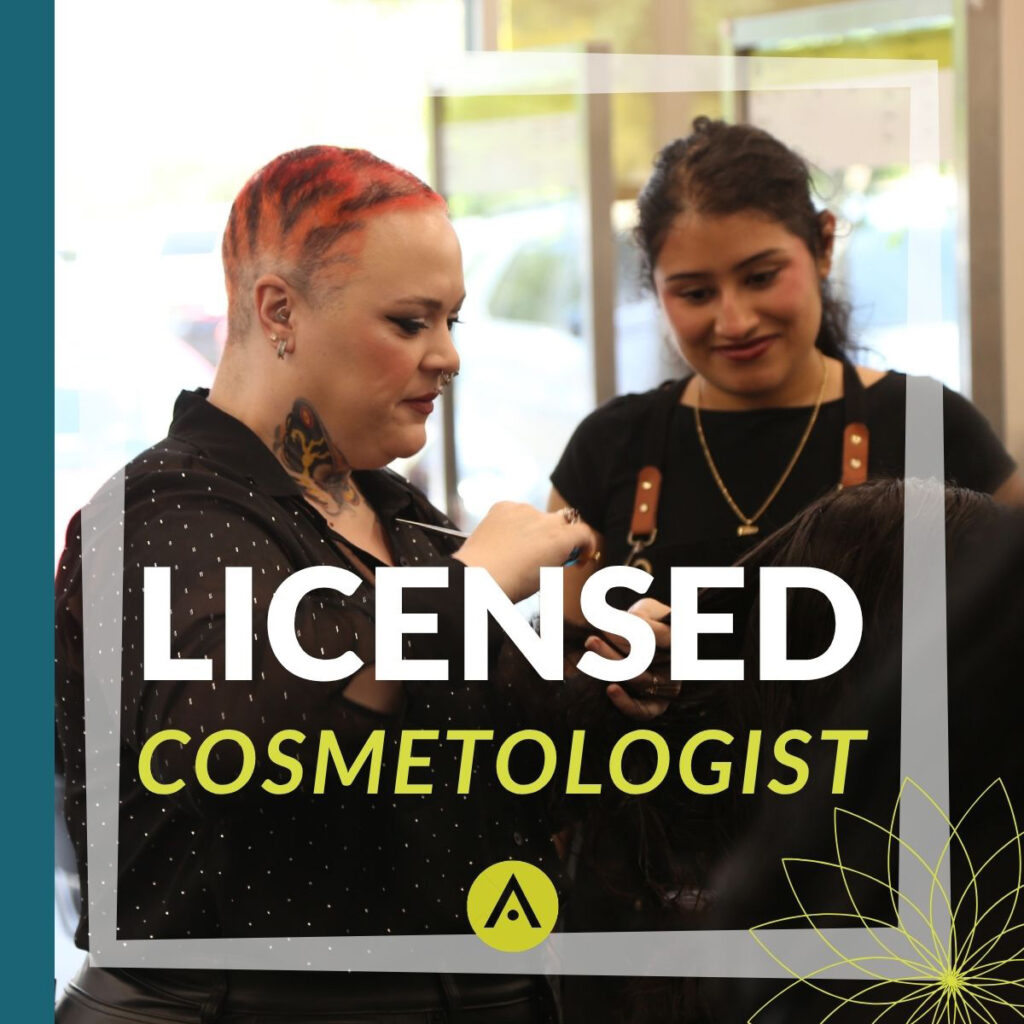
A cosmetology license is not one job. It is a key to a dozen of them, and most students do not realize the breadth of what they have earned until they are halfway through Phase 2. The license is the prerequisite, but where you take it from there is far less narrow than the word cosmetology suggests.
- A license opens far more career paths than salon styling alone
- Freelance, event, and editorial work fits well in New Mexico’s wedding and film economy
- Education, product sales, and salon ownership are long-term paths that often pay better than the chair
The Salon Path Is Not What Most People Picture
When people hear cosmetology, they picture a stylist behind a chair. That is one path, and a strong one, but the salon itself contains many specialties. Color specialists, balayage technicians, men’s grooming experts, extension specialists, and chemical service experts all start with the same license and then build a niche within it. The stylists who earn the most almost always specialize, and the licensed cosmetologists serving New Mexico’s higher-end clientele are usually doing one or two services exceptionally well rather than every service adequately.
Many of our graduates go on to work at established Albuquerque and Santa Fe salons, including the Mark Pardo Salon and Spa family, where AINM has a long-standing pipeline. New graduates often begin as assistants, build a clientele, and move into a full chair within their first year.
Freelance, Event, and Editorial Work
Bridal styling is a year-round business in New Mexico. Wedding venues in Albuquerque, Santa Fe, Taos, and the surrounding areas book hair and makeup artists months in advance, and licensed cosmetologists with strong portfolios can charge premium rates for on-location work. A single wedding day often pays what a slower week behind the chair brings in.
Film and television production has grown steadily in New Mexico for a decade, and that growth has created sustained demand for hair and makeup professionals. Union and non-union production work both require licensure, and the work is intermittent but well compensated. Editorial work, photo shoots, and fashion week assignments are smaller markets here than in Los Angeles or New York, but they exist, and they are an excellent way to build a portfolio that opens larger doors.
Education, Sales, and the Business Side
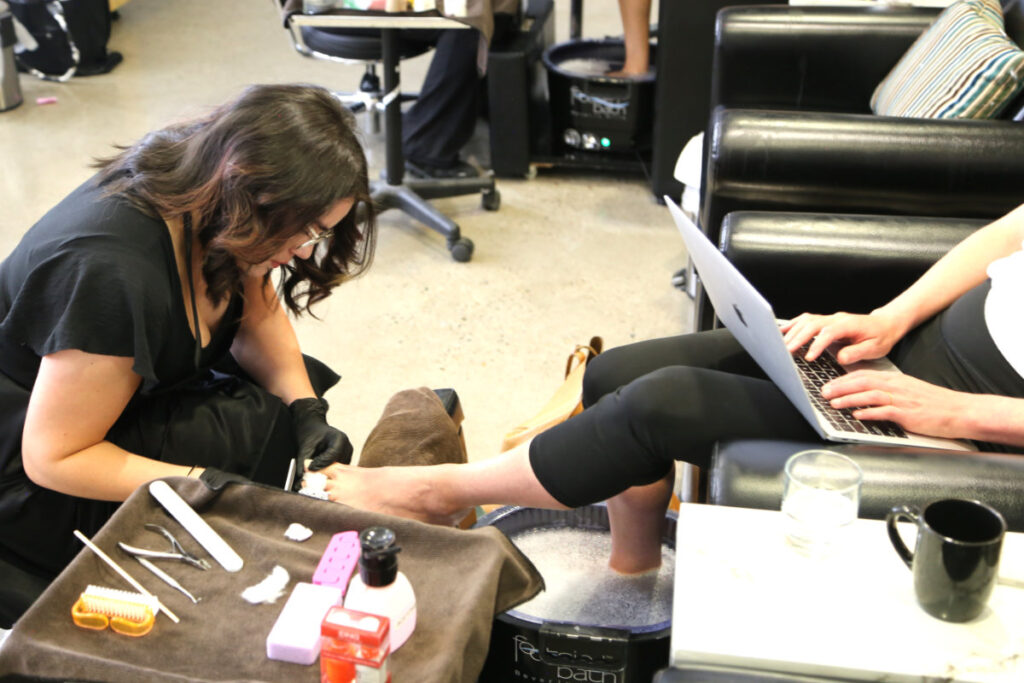
After a few years behind the chair, many cosmetologists move into roles that use the license without requiring daily service work. Platform artists travel and demonstrate techniques for product lines. Brand educators train other stylists on new product launches. Sales representatives for professional product companies need licensed people who understand what they are selling and who can speak credibly to working stylists.
Salon ownership is its own long-term path. Plenty of our graduates have opened their own studios, suite businesses, or full salons within ten years of licensure. The license itself is not a business degree, but it is the credential that makes the business possible, and the program teaches enough of the basics, including client management, inventory, and service pricing, that graduates leave with a working sense of how a salon actually runs.
Teaching is another route. Cosmetology instructors at accredited schools must hold an instructor license in addition to a cosmetology license, but the path is open, and many of our own educators began as graduates here.
Why New Mexico Is a Real Market
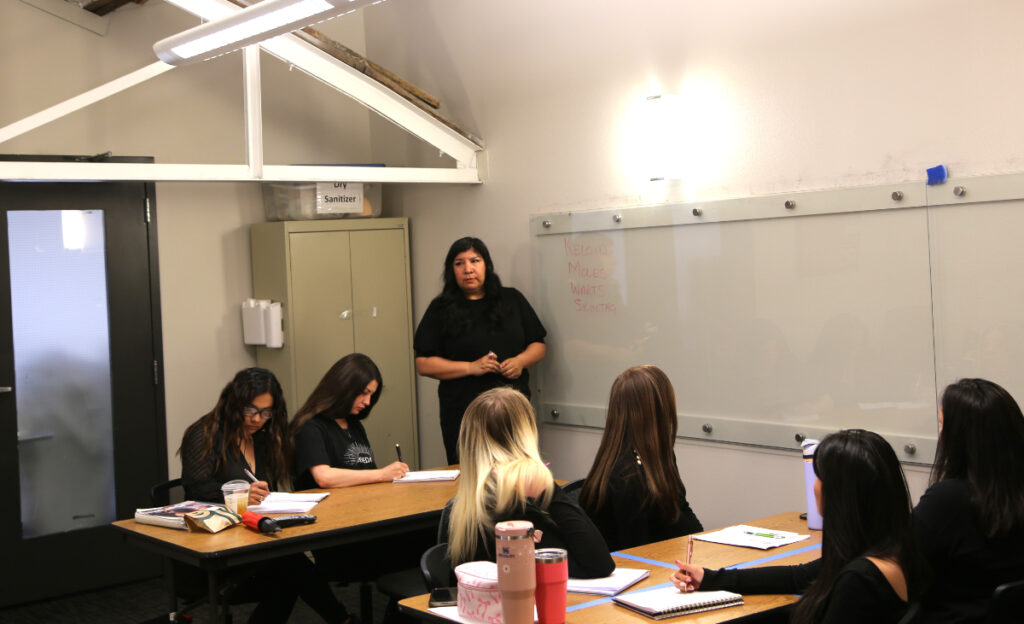
It is easy to assume that the interesting beauty careers happen in larger coastal cities. They do not, or rather, they do not only happen there. Albuquerque and Santa Fe have a steady wedding economy, a growing film industry, a thriving wellness and spa sector, and a strong independent salon culture that supports both established stylists and ambitious newcomers. The market is large enough to specialize within and small enough that a talented graduate can build a reputation quickly.
Cost of living matters too. A stylist earning a solid Albuquerque income generally has more disposable income than a stylist earning a comparable raw salary in Los Angeles or Denver, and that math compounds over a career.
The first step toward any of these paths is the same. You enroll, you complete your hours, and you sit for your state board exam. After that, the direction is yours to choose, and you can change directions more than once. The license is the foundation, not the ceiling.
To learn more about enrolling at AINM and which schedule fits your goals, visit avedanm.com/admissions or call the number below. The next cosmetology cohorts begin July 13 and July 16.
Aveda Institute New Mexico
1816 Central SW
Albuquerque, NM 87104
505.294.5333