
September 16, 2026
What You Actually Learn About Skin in Esthiology School
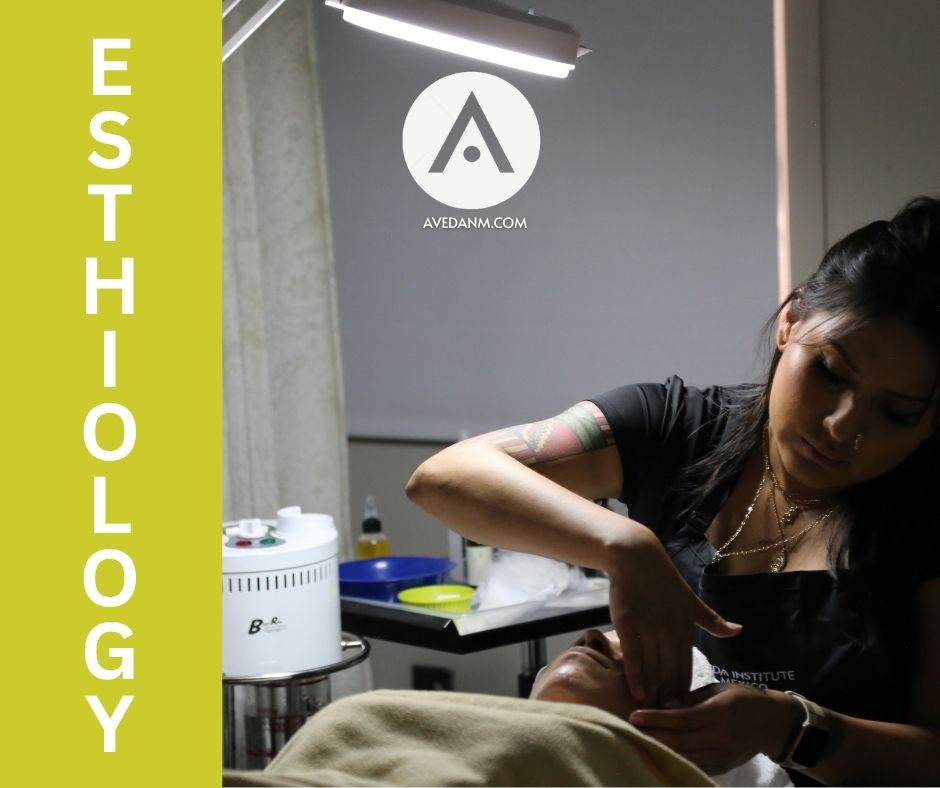
People are often surprised by how much science is in esthiology. It is a creative, hands-on profession, and underneath the hands-on part is a real body of knowledge about how skin works. Our next esthiology cohort starts October 12, and here is what those 600 hours teach you.
- You learn how skin is built, how it changes, and why it responds the way it does to what you put on it
- You learn to read a face and build a treatment plan around what you find, not around a set menu
- You learn sanitation and contraindications thoroughly, because a licensed esthetician is responsible for someone else’s skin
How Skin Is Built
You start with structure: the layers, what each one does, how cells move upward and turn over, and where the oil and moisture in skin actually come from.
That foundation is what makes everything afterward make sense. Once you understand turnover, exfoliation stops being a product category and becomes a decision with a reason behind it. Once you understand the barrier, you can explain to a guest why the routine that promised results left their face tight and irritated.
How Skin Changes
Skin is not the same at twenty-five and forty-five, and it is not the same in July as in January.
You study how skin changes with age, hormones, sun exposure and climate. In New Mexico the climate part is not academic. High desert air, elevation and intense sun produce a specific set of conditions you will see across your chair every week, and knowing why they happen is what lets you do something useful about them.
Reading a Face
Skin analysis is the skill that separates a good esthetician from a technician who performs services.
You learn to look at a face and see what is actually happening: where it is dehydrated versus dry, where congestion is sitting, what is inflammation and what is pigment, what is likely to respond quickly and what will take months. Then you learn to build a plan around that reading and explain it in language a guest understands and trusts.
Ingredients and Why They Work
You will study formulation closely enough to know what a product is doing rather than what its label claims.
Acids, humectants, occlusives, antioxidants, actives and how they interact. You will train on Aveda’s plant-based line throughout the program. By the end you will be able to look at an ingredient list and predict how a formula will behave on a particular skin type.
Safety, Studied Seriously
Sanitation and contra-indications get real attention, and they should.
You learn what conditions mean you do not proceed, what requires a referral to a physician, and how to keep a treatment room and your tools genuinely safe. A licensed esthetician holds someone’s comfort and confidence in their hands, and the people who last in this profession are the ones who took this part seriously from the start.
Book A Tour
Call 505.294.5333 or visit avedanm.com to book a tour and see the treatment rooms for yourself.